
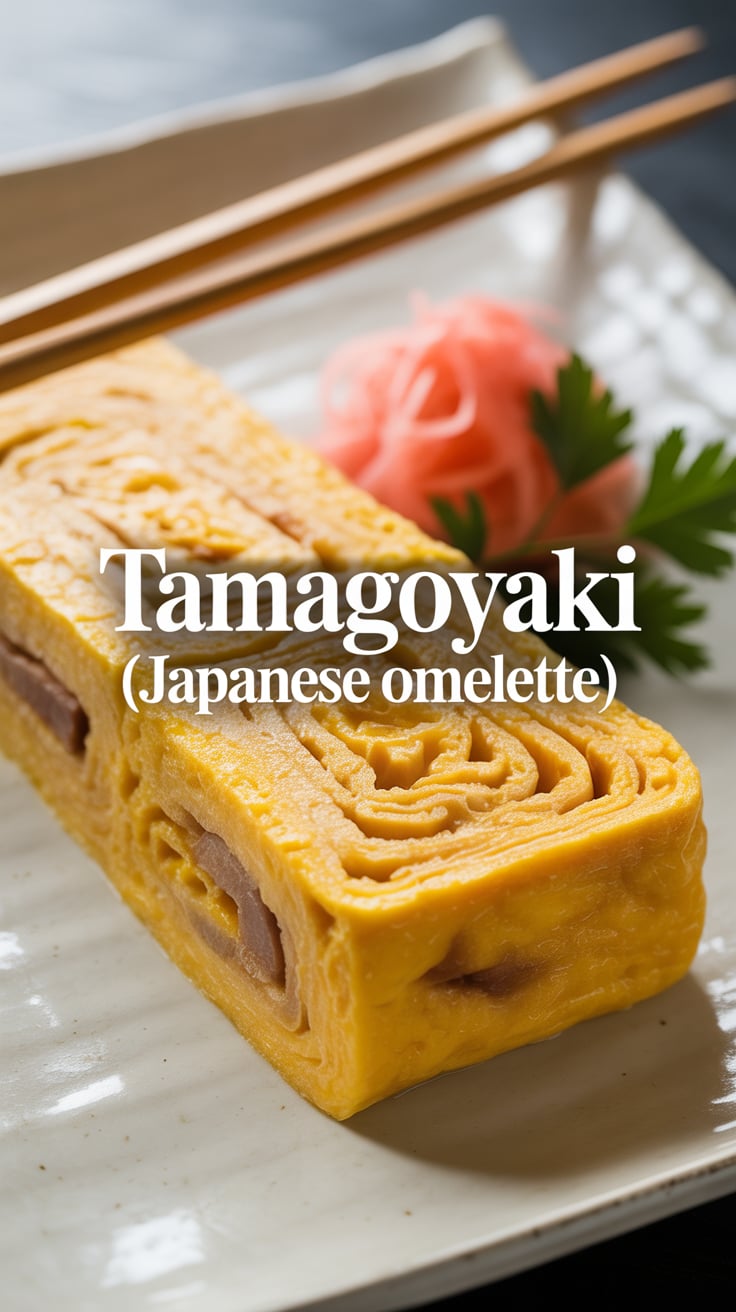
Imagine yourself in a cozy Japanese kitchen, the aroma of freshly cooked rice wafting through the air, as you watch a skilled chef deftly roll and flip a delicate omelette. This is the art of tamagoyaki, a beloved Japanese dish that has captured the hearts and taste buds of people around the world.
History and Origins
Tamagoyaki, which translates to “grilled egg” in Japanese, has been a staple of Japanese cuisine for centuries. It is believed to have originated during the Edo period (1603-1868) in Japan, where it was first made as a simple and nutritious dish for samurais. Over time, tamagoyaki evolved into a popular street food and eventually found its way into homes and restaurants across Japan.
Reasons to Make Tamagoyaki
- It is a delicious and versatile dish that can be enjoyed for breakfast, lunch, or dinner.
- Tamagoyaki is a great way to add protein to your diet in a flavorful way.
- It is a fun and impressive dish to make for friends and family.
What Makes Tamagoyaki Unique
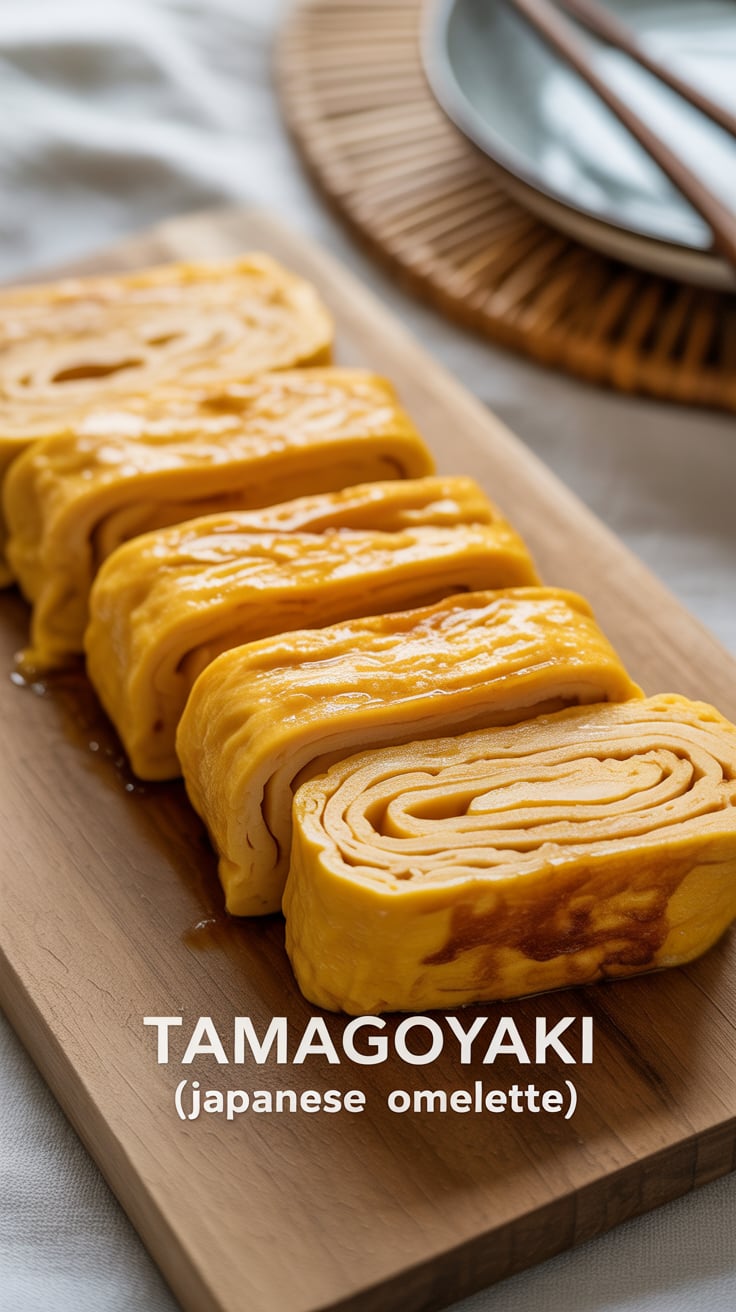
What sets tamagoyaki apart from traditional omelettes is its sweet and savory flavor profile, as well as its unique rolled shape. The addition of sugar and soy sauce to the eggs gives tamagoyaki a slightly sweet and umami taste that is truly irresistible.
Ingredients
- 4 eggs: Eggs are the main ingredient in tamagoyaki and provide the base for the omelette.
- 1 tablespoon sugar: Sugar adds a touch of sweetness to the dish.
- 1 tablespoon soy sauce: Soy sauce gives tamagoyaki its signature umami flavor.
- 1/2 teaspoon mirin: Mirin is a sweet rice wine that adds depth of flavor to the omelette.
- 1/4 teaspoon salt: Salt enhances the overall taste of the dish.
Preparing the Ingredients
Before you start making tamagoyaki, make sure to crack the eggs into a bowl and whisk them together until well combined. Add the sugar, soy sauce, mirin, and salt to the eggs and mix until everything is evenly incorporated.
Kitchen Tools Required
To make tamagoyaki, you will need a rectangular tamagoyaki pan or a small non-stick frying pan. A pair of chopsticks or a spatula will also come in handy for rolling and flipping the omelette.
Temperature and Timing Guide
Heat your tamagoyaki pan over medium heat and add a small amount of oil to coat the bottom. Pour a thin layer of the egg mixture into the pan and let it cook for a few seconds until it starts to set. Roll the omelette from one end to the other using chopsticks or a spatula, then push it to the other side of the pan. Add another thin layer of the egg mixture and repeat the rolling process until all the egg mixture is used up.
Common Issues and Solutions
- If the omelette is sticking to the pan, make sure to use enough oil to coat the bottom.
- If the omelette is not rolling properly, practice your rolling technique until you get the hang of it.
- If the omelette is too dry, try adding a splash of water to the egg mixture for a softer texture.
Instructions
- Cooking the Omelette: Heat the tamagoyaki pan over medium heat and add a small amount of oil. Pour a thin layer of the egg mixture into the pan and let it cook for a few seconds.
- Rolling the Omelette: Using chopsticks or a spatula, roll the omelette from one end to the other. Push the rolled omelette to one side of the pan.
- Adding Another Layer: Pour another thin layer of the egg mixture into the pan, making sure to lift the rolled omelette to allow the new layer to flow underneath.
- Repeat: Continue adding layers and rolling the omelette until all the egg mixture is used up.
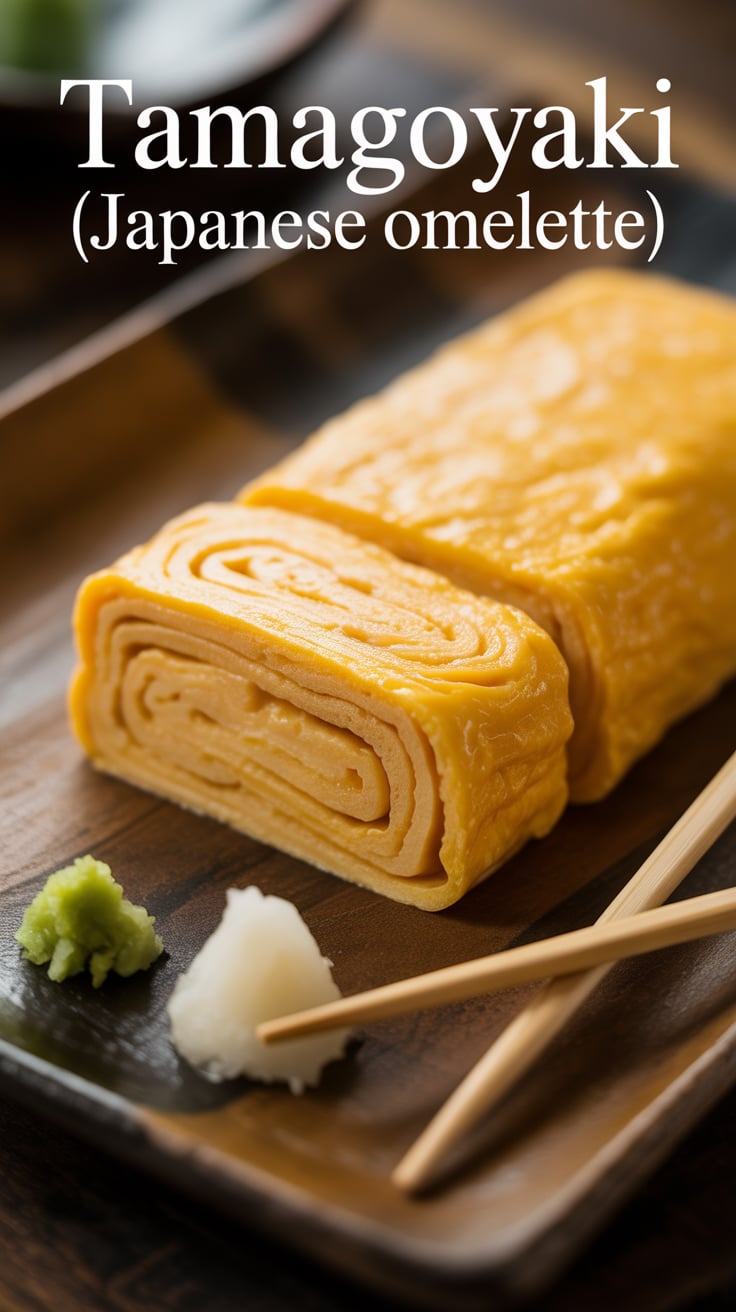
- Serving: Once the omelette is cooked through, remove it from the pan and slice it into bite-sized pieces. Serve hot and enjoy!
Nutritional Value
A serving of tamagoyaki typically contains around 150 calories, making it a healthy and satisfying meal option. It is also a good source of protein, vitamins, and minerals.
Tips for Restaurant Quality Results
To achieve restaurant-quality tamagoyaki, make sure to use fresh and high-quality ingredients. Practice your rolling technique until you can create perfectly shaped omelettes every time. Don’t be afraid to experiment with different seasonings and fillings to create your own unique twist on this classic dish.
Alternative Ways to Make Tamagoyaki
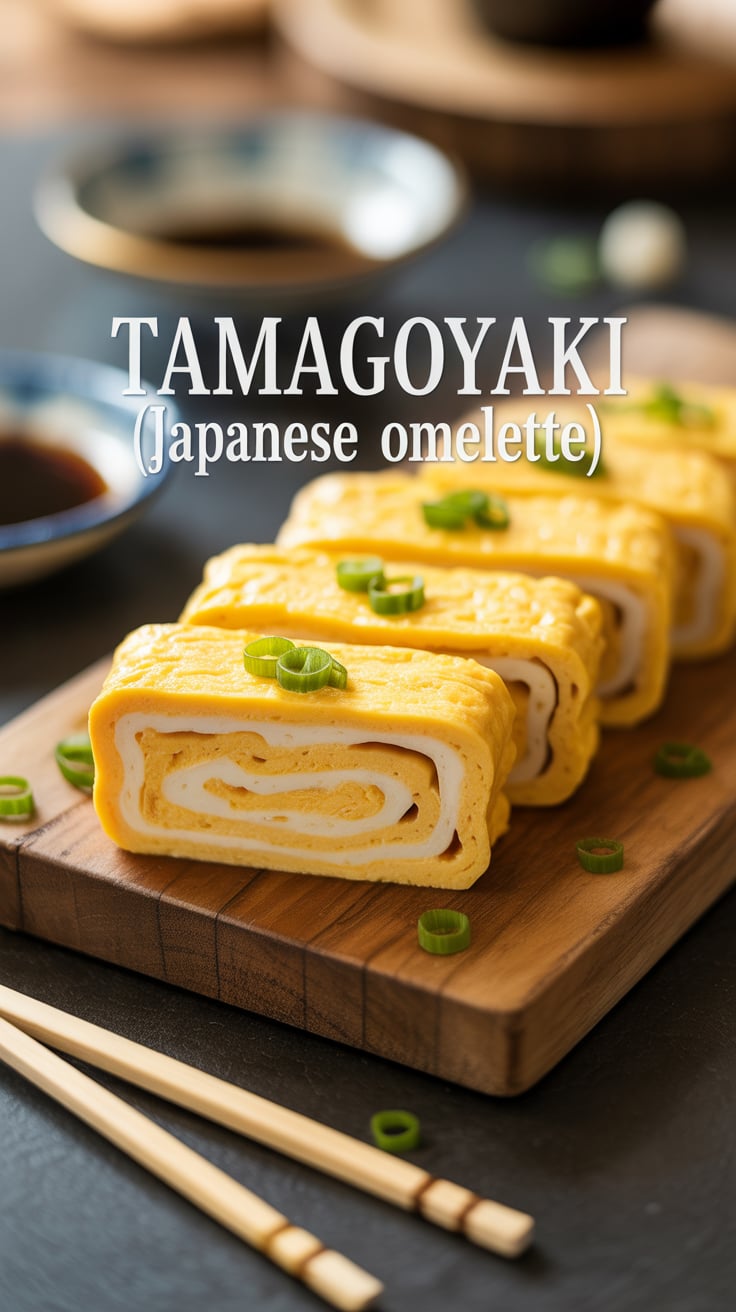
If you’re looking to switch things up, you can try adding diced vegetables, shrimp, or even cheese to the egg mixture for a more flavorful omelette. You can also experiment with different seasonings such as garlic powder, chili flakes, or sesame oil for a unique twist on this traditional dish.
Final Thoughts
Tamagoyaki is more than just a simple omelette – it is a culinary masterpiece that showcases the artistry and creativity of Japanese cuisine. By following this recipe and incorporating your own personal touch, you can create a delicious and satisfying dish that will delight your taste buds and impress your friends and family. So go ahead, grab your tamagoyaki pan and get cooking!


